




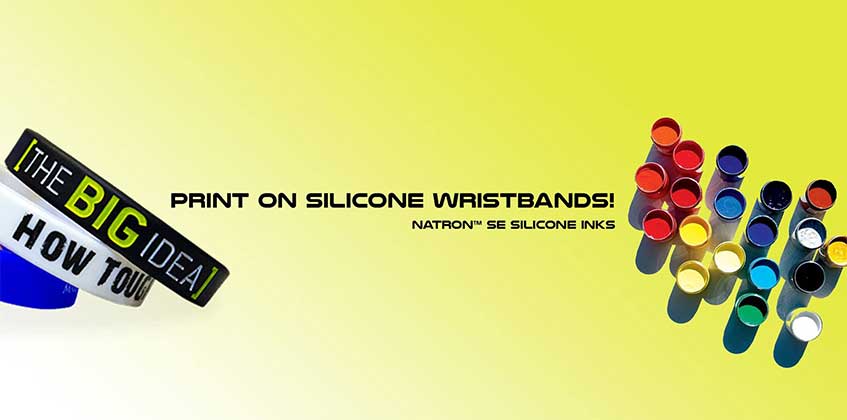

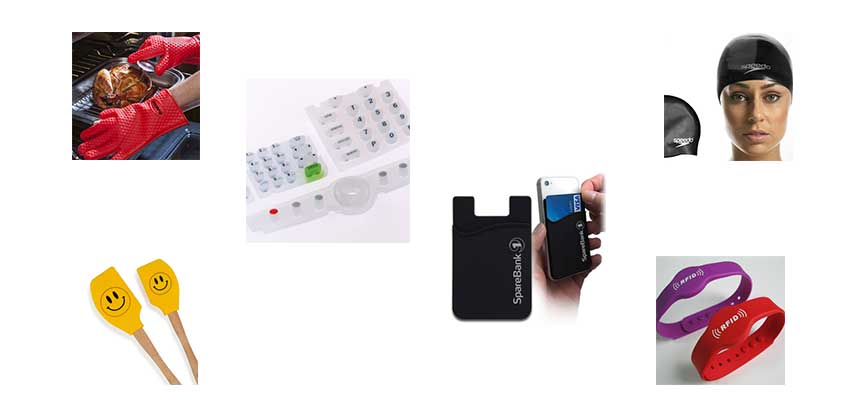

Printing on silicone presents unique challenges for manufacturers. From silicone wristbands and drinkware to medical components and automotive parts, silicone rubber is valued for its flexibility, durability, heat resistance, and chemical resistance. However, these same properties can make it difficult for conventional printing inks to adhere reliably.
To achieve consistent, high-quality results, manufacturers need the right ink system, proper surface preparation, and a controlled printing and curing process. Here are seven essential tips to help improve print quality, adhesion, and production efficiency when printing on silicone.
1. Choose an Ink Specifically Formulated for Silicone
One of the most important steps in silicone printing is selecting an ink designed to bond with silicone rubber. Standard solvent-based inks may adhere poorly because silicone has a low surface energy and resists many conventional coatings.
Silicone-based printing inks are formulated to work with silicone substrates, allowing the printed image to flex and stretch along with the finished product.
When evaluating inks, consider your application’s requirements, including color opacity, gloss, abrasion resistance, chemical exposure, and flexibility. Boston Industrial Solutions offers Natron® silicone ink series for applications requiring reliable printing performance on silicone products.
2. Clean the Substrate Before Printing
Contamination is a common cause of poor ink adhesion. Dust, oils, mold-release agents, fingerprints, and manufacturing residues can interfere with the bonding process and create inconsistent results.
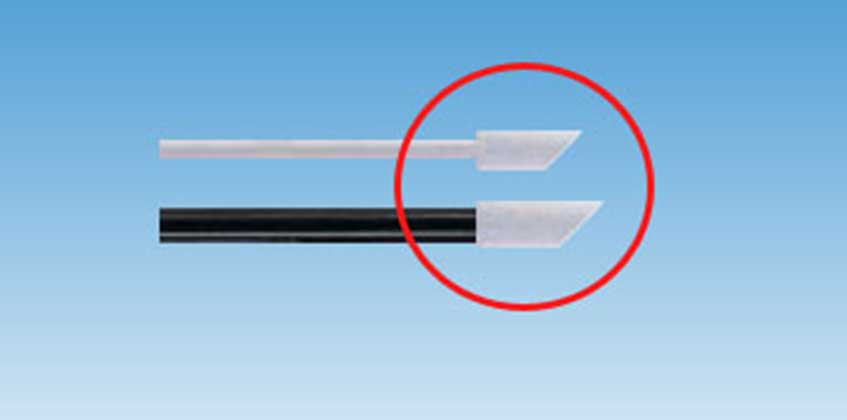
Before printing, inspect parts and clean the silicone material. Use our compatible cleaning products and lint-free towels to remove surface contaminants without leaving residue.
Allow parts to dry completely before printing. Avoid handling cleaned print areas with bare hands, and maintain a clean workspace throughout production.
Pro tip: If adhesion problems occur intermittently, investigate part cleanliness and handling practices before changing your ink formulation.
3. Select the Right Printing Method
The best printing method depends on the shape, size, texture, and production volume of the silicone product.
- Pad printing: Ideal for detailed graphics, small logos, and irregular or three-dimensional surfaces.
- Screen printing: Well suited for larger graphics, bold colors, and repeatable designs on relatively accessible surfaces.
- Spray coating and color filling: Useful for applications that require broader coverage or ink deposited into recessed features.
Evaluate the geometry of the part, desired image resolution, and production speed before choosing your process. Proper tooling and part fixtures can also improve registration and consistency, particularly when printing complex shapes or running high-volume jobs.
4. Control Ink Mixing and Viscosity
Many silicone ink systems require a catalyst and a compatible solvent (thinner). Accurate mixing is essential for consistent printability, curing, and final performance.
Follow our technical data sheet for mixing ratios, pot life, and recommended additives. Measure components by weight when specified, and mix thoroughly to ensure uniformity.
Viscosity also affects ink transfer. Ink that is too thick or too thin can lead to incomplete images, poor definition, or inconsistent coverage. Adjust viscosity only with the recommended solvent.
Keep track of mixing times, batch ratios, and environmental conditions to help reproduce successful results across production runs.
5. Optimize the Curing Process
Proper curing is critical to achieving durable adhesion on silicone. Depending on the ink system, curing may require heat or may occur gradually at room temperature.
For heat-curable inks, temperature and dwell time must be matched to the ink formulation, silicone part, and curing equipment. Part density, thickness, and oven design can influence the amount of time required to achieve a full cure.
Do not assume that a print is fully cured simply because it feels dry to the touch. Inadequate curing can compromise adhesion, abrasion resistance, and flexibility.
Always follow our curing specifications and validate the process using actual production parts. For heat-sensitive applications, consider an air-curing silicone ink system like the Natron® DC Series ink when compatible with your performance requirements.
6. Maintain Consistent Printing Parameters
Small process variations can lead to noticeable differences in print quality. For pad printing, parameters such as pad hardness, pad size, plate depth, transfer pressure, and ink evaporation rate influence the final image.
For screen printing, mesh selection, squeegee pressure, and off-contact distance can affect ink deposit and image definition.
Establish standard operating procedures for each job and document approved settings. Regularly inspect printing pads, screens, plates, and fixtures for wear or contamination. Consistent equipment maintenance reduces defects and helps minimize downtime.
7. Test Adhesion and Durability Before Full Production
A successful sample print is only the beginning. Before scaling up, verify that the printed image meets the application’s durability and performance requirements.
Depending on the end use, testing may include adhesion checks, abrasion resistance, repeated stretching, chemical exposure, water exposure, or dishwasher resistance.
Test samples after the recommended curing period and under conditions that reflect actual product use. If a print fails, investigate substrate contamination, ink compatibility, mixing accuracy, and curing conditions systematically.
Document the results and use them to establish repeatable quality-control standards.
Achieve Better Results With the Right Silicone Printing Solution
Successful silicone printing requires more than applying ink to a surface. It depends on choosing compatible materials, controlling process variables, and validating performance before production begins.
Boston Industrial Solutions provides silicone printing inks, equipment, and application support to help manufacturers develop effective printing processes for their products.
Whether you are optimizing an existing production line or introducing a new silicone printing application, selecting the right ink system and validating your process can help improve print consistency, reduce waste, and achieve durable results.
Ready to improve your silicone printing process? Contact Boston Industrial Solutions to discuss your application and find the right printing solution for your manufacturing needs.


